
Eleven Madison Park

Eleven Madison Park

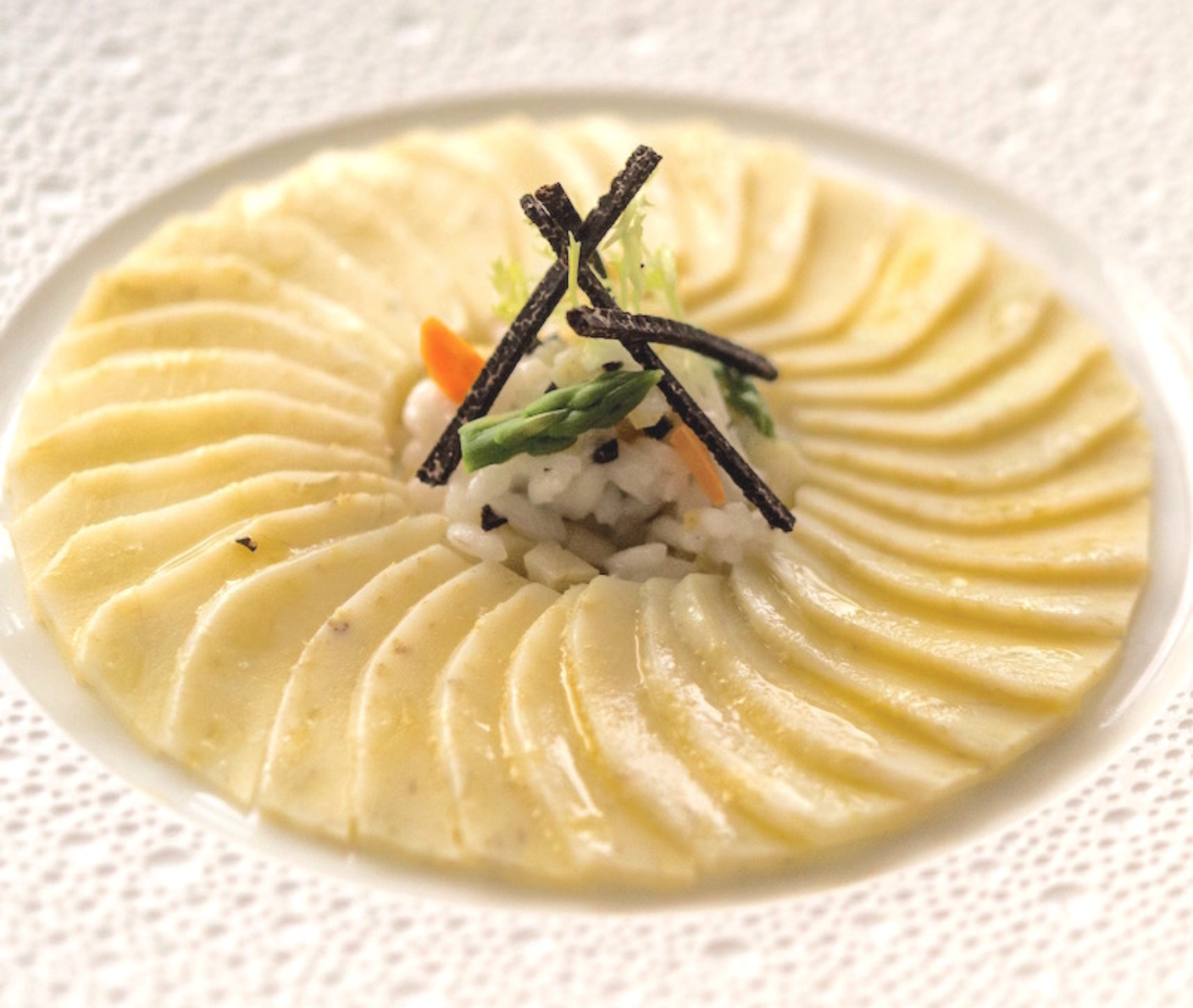
Eleven Madison Park is one of New York’s most celebrated fine-dining temples, anchored by Chef Daniel Humm’s visionary tasting menus in a grand Art Deco dining room overlooking Madison Square Park. Diners experience a three-Michelin-star culinary journey that makes...
Le Bernardin

Le Bernardin

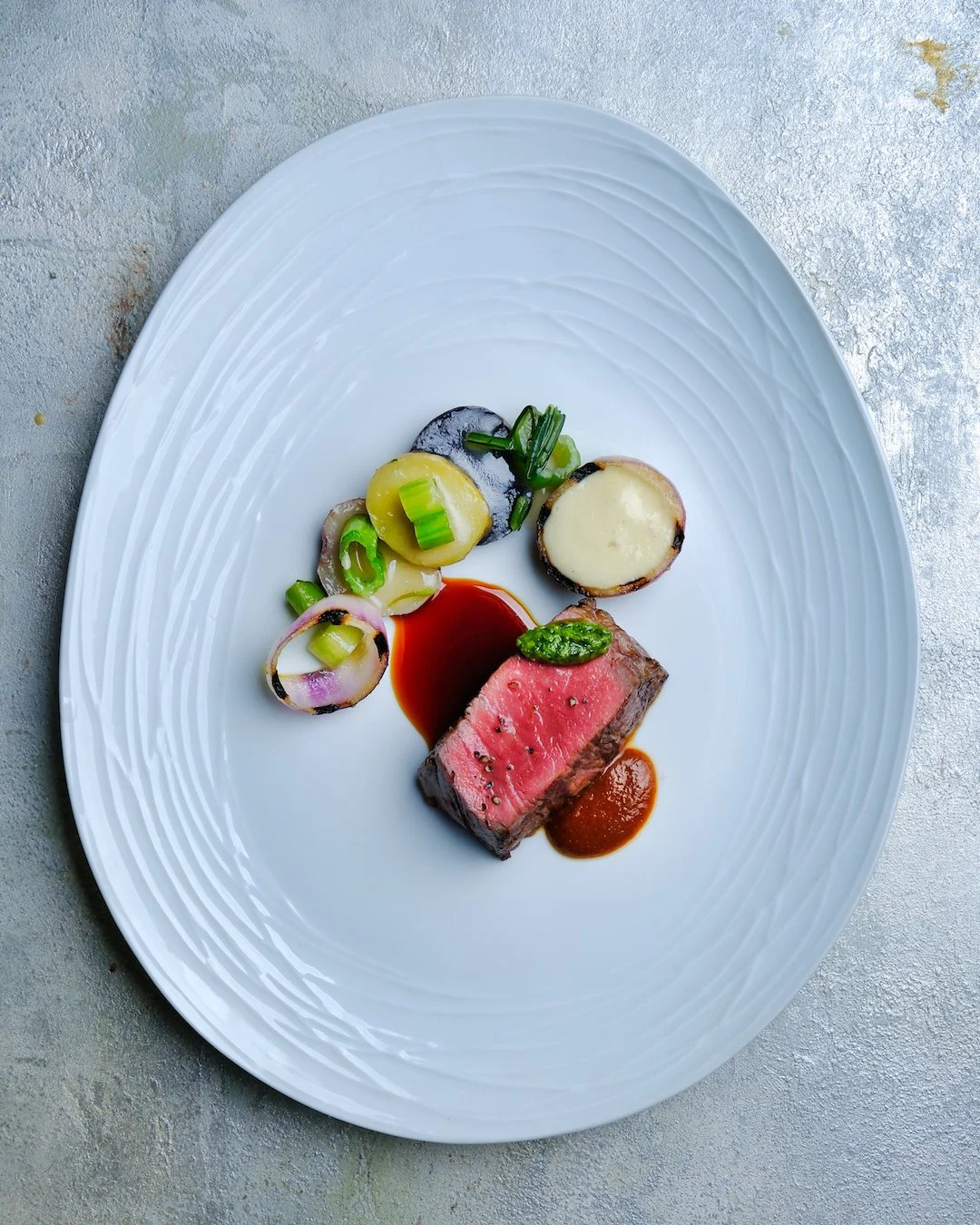
Le Bernardin is one of NYC’s most acclaimed dining institutions—a three-Michelin-starred seafood temple in Midtown. Chef Eric Ripert’s elegant, French-rooted cuisine lets pristine ocean-fresh fish and shellfish shine in refined preparations like “Almost Raw” crudo,...
Gabriel Kreuther

Gabriel Kreuther

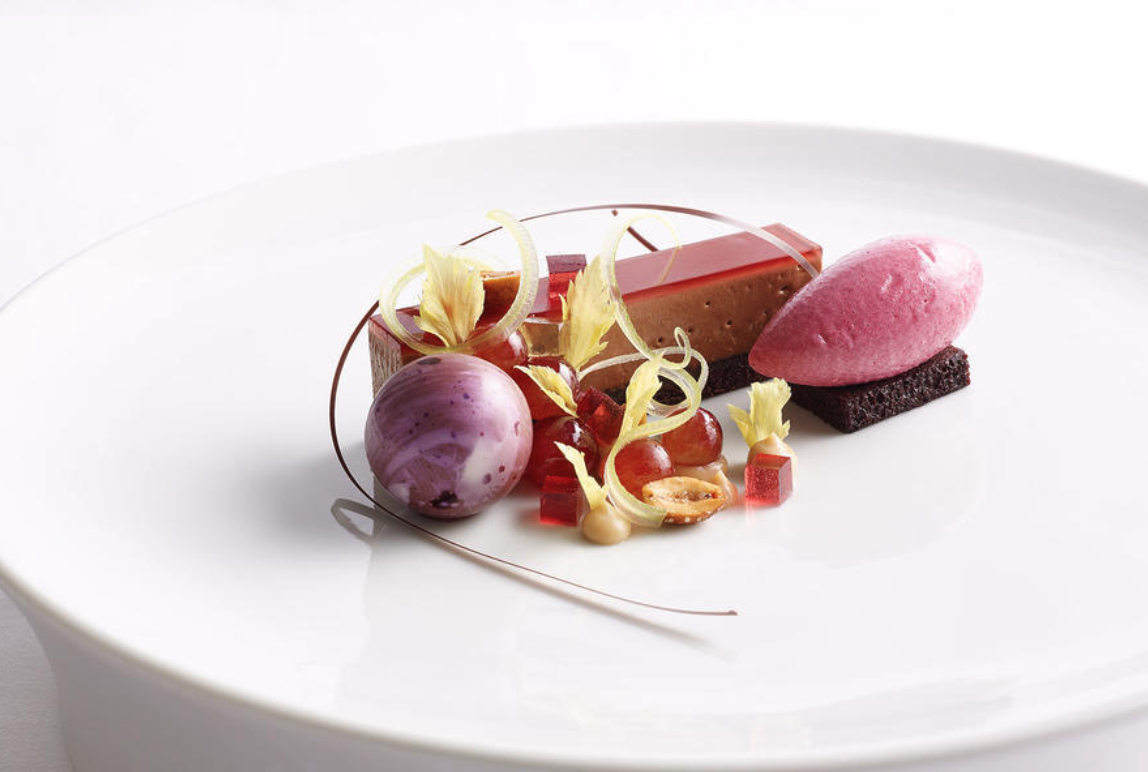
Gabriel Kreuther is a sleek, contemporary Midtown destination offering modern American tasting menus and refined à la carte dishes that elevate seasonal ingredients with precision and creativity. With two Michelin stars, this highly regarded restaurant is a standout...
Per Se

Per Se

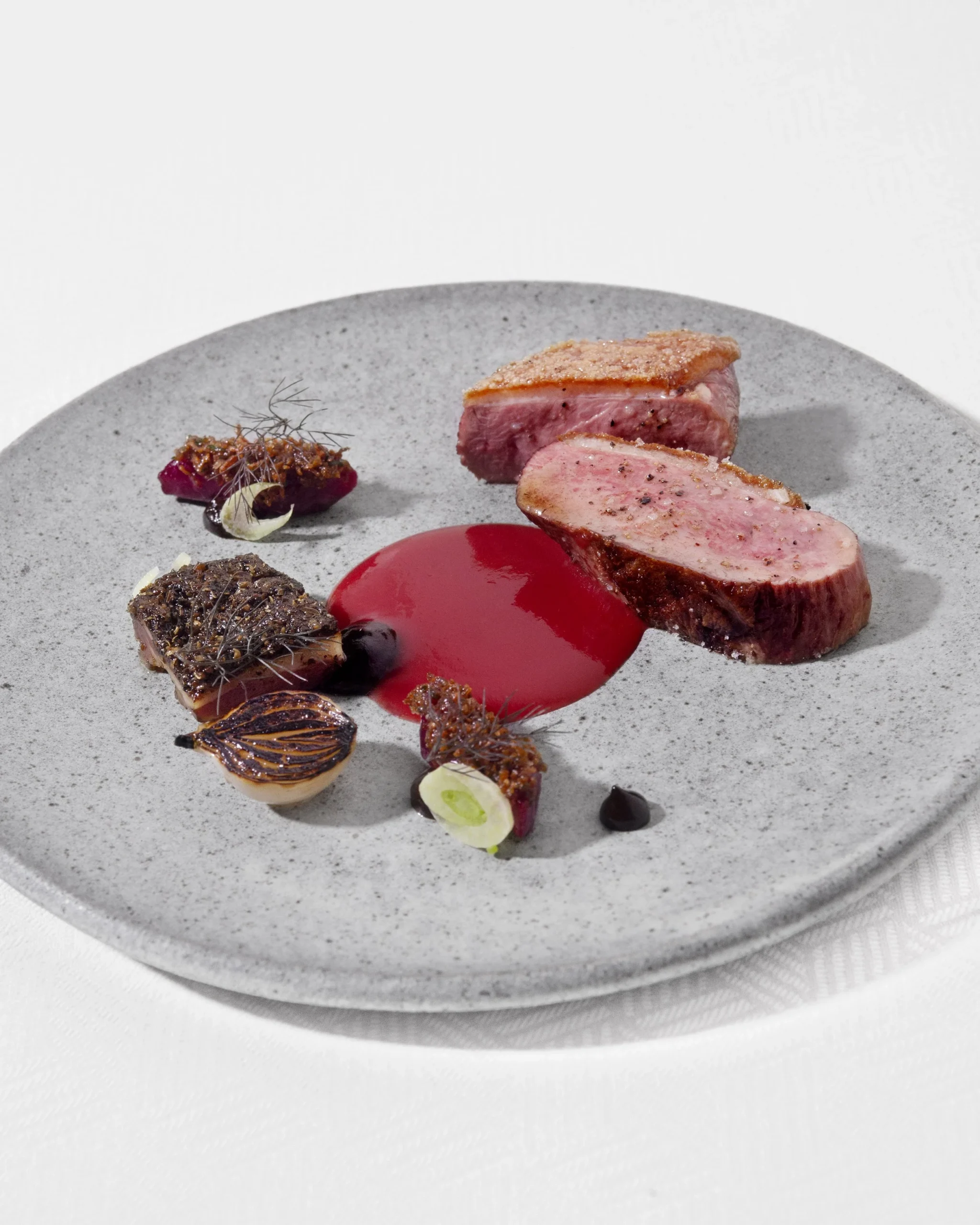
Per Se is Thomas Keller’s renowned, three-Michelin-starred fine-dining destination in Manhattan’s Columbus Circle, where a refined multi-course tasting menu showcases seasonal ingredients and classic French technique with breathtaking views over Central Park. Its...
Aquavit

Aquavit

Aquavit is an expensive but undeniably special restaurant in Midtown Manhattan, a short cab ride or subway from the Javits Center. Experience a two-Michelin-starred Nordic restaurant that elevates seasonal Scandinavian cuisine with meticulous technique and thoughtful...
Close Modal

Our Framework

Understand.

During this phase, we work to step away from any assumptions and guesses about what our customers needs, and let our research findings inform our decision-making. We learn more about our customers, their problems, wants, and needs, and the environment or context in which they will use the solution we offer.

Our Framework

Define.

During the Define phase, we analyze our research findings from the Understand phase and determine what is the most important problem to solve — and why. This step defines the goal. Then we can give a clear problem statement, describing what our customers’ needs are that we are trying to solve, making sure that we heard and defined their problem correctly.

Our Framework

Solve.

This phase is an important part of the discipline in our process. People often settle for the first solution, but the most obvious solution is often not the right one. During the Solve phase, we brainstorm collaboratively with multiple stakeholders to generate many unique solutions. We then analyze our potential solutions and make choices about which are the best to pursue based on learnings in the Understand phase.

Our Framework

Build & Test.

This phase is critical in developing the right solution to our customers’ problem. An organized approach to testing can help avoid rework and create exceptional outcomes. Starting small and testing the solution, we iterate quickly, before deploying solutions across the entire project.

Our Framework

Act.

During this phase, the hard work of prior phases comes to life in our customers’ best solution. The research, collaboration, and testing performed prior to project kick-off ensure optimal results.

Our Framework

Feedback.

At the project completion, we convene all stakeholders to discuss what went well, what could have been better, and how we might improve going forward. We call these meetings “Retrospectives,” and we perform them internally as a project team, and with our external customers. The Retrospective is one of the most powerful, meaningful tools in our framework.

Next